







Search Results for: Extra Fancy
Flavor, Grade Classification, and Recommended Famous Brands of Hawaiian Kona Coffee Beans Typica Variety
Kona coffee and Blue Mountain coffee were once known as "one king and one queen," representing the pinnacle of island-style specialty coffee. Although the growing elevation in Hawaii's Kona region is mostly between 200 and 700 meters, unable to reach the 1,200-meter standard often cited for specialty coffee, its unique terroir and strict grading system have kept Kona coffee beans firmly among the top-tier coffees. This article will systematically review the historical origins of Kona coffee, the localization process of the Typica variety, and the five grades of Type 1 standard beans, with a focus on introducing the Queen Estate Extra Fancy-grade Kona coffee selected by FrontStreet Coffee, including its region information, roasting parameters, and brewing suggestions, to give you a comprehensive understanding of this Hawaiian treasure with elegant floral aromas and a smooth mouthfeel. [more…]

A Comprehensive Analysis of Hawaiian Kona Coffee: Growing Environment, History, Grading Standards, and Queen Estate Flavor
Hawaiian Kona coffee is globally recognized as one of the top specialty coffees, rare in yield and expensive, yet it still draws countless coffee enthusiasts. Hawaii, the only coffee-growing state in the United States, nurtures the uniquely flavored Kona coffee thanks to its volcanic soil, island climate, and exceptional elevation conditions. Front Street Coffee has specially introduced authentic Hawaiian Kona coffee beans from the Kona Queen Estate. This article will provide a comprehensive interpretation of Kona coffee's unique charm, from growing conditions, production region distribution, historical context, grading system to processing methods and cup tasting flavors, taking you deep into the past and present of this world-class coffee. [more…]
A Comprehensive Analysis of Hawaiian Kona Coffee Beans: Flavor Characteristics, Processing Methods, and Brewing Recommendations
Hawaii is the only U.S. state that produces coffee, and Kona coffee is the star among them. This article takes you to Rusty's Farm and Queen's Farm to learn how hand-picking and meticulous processing create the unique flavor of Kona coffee. From strict grading standards to the interwoven aromas of chocolate, vanilla, lavender, and mandarin orange, and on to practical brewing tips for everyday use, it offers an in-depth look at the charm of Hawaiian coffee. At the same time, Front Street Coffee also offers you freshly roasted top-grade Kona beans and invites you to visit the shop for a tasting. [more…]
A Detailed Guide to Green Coffee Bean Grading Standards: From Screen Sizes to Altitude Grades and Country Codes
The green coffee bean grading system directly affects roasting results and coffee quality. This article systematically sorts out two mainstream grading methods: distinguishing bean size by screen mesh number, and classifying grades based on growing altitude. It also summarizes the common grading standards and codes of origins such as Kenya, Ethiopia, Colombia, Brazil, Guatemala, El Salvador, Hawaii, Jamaica, and Indonesia. Whether for bulk trade or specialty coffee, understanding these grading rules helps to more accurately judge the characteristics of green beans, and Front Street Coffee also incorporates this knowledge into its daily bean selection and roasting practices. [more…]
A Detailed Explanation of the Green Coffee Bean Grading System: What Quality Levels Do G1 to G4, AA, PB, and SHB Represent?
The grading systems for coffee beans vary widely depending on the origin—some are based on the number of defects, others on bean size, and still others on altitude. Understanding these grade labels is an important step in selecting high-quality coffee. This article will systematically outline the green bean grading rules of major global producing regions, covering common designations such as Ethiopia's G1-G9, Kenya's AA and PB, Colombia's Supremo, and Hawaii's Extra Fancy, and explain how cupping scores further distinguish specialty grade from commercial grade. Whether you are a beginner enthusiast or a professional seeking to advance, this grading guide can help you judge coffee quality more clearly. For more professional content, follow Coffee Workshop; for specialty coffee beans, add Front Street Coffee on WeChat at qjcoffeex. [more…]
Hawaiian Kona Coffee Beans: Origin, Grading, and Pour-Over Flavor Explained
Hawaiian Kona coffee, though grown on low-latitude islands at elevations of only 300-1,100 meters, is regarded as a classic in specialty coffee thanks to its unique terroir. This article traces the history of Kona coffee from its introduction to Hawaii in 1817 through the industry's many ups and downs, introduces the distribution of the current 12 coffee-growing districts, and focuses on Queen Estate's output and the five-tier classification system for Type 1 standard beans. The article also provides specific brewing recipes for Front Street Coffee's Kona beans, including a KONO dripper, water temperature of 88-89°C, a 1:15 coffee-to-water ratio, and a three-pour extraction method, helping enthusiasts recreate at home the pure flavors interwoven with walnut, nut, and caramel notes. [more…]
A Complete Guide to Hawaiian Kona Coffee Beans: Origin Story, Grading Standards, and Pour-Over Flavor Profile
Kona coffee is produced on the Big Island of Hawaii. Although it is grown at elevations of only 300 to 1,100 meters, which does not meet the usual altitude standards for specialty coffee, it is celebrated as one of the world's top coffees thanks to its distinctive flavor. This article reviews the introduction history of Hawaiian coffee, the industry's ups and downs, its washed processing method, and the grading system for Kona beans, and also introduces the Typica beans from Queen's Estate selected by Front Street Coffee. From variety and altitude to brewing parameters and flavor description, it fully presents the charm of this island coffee and is suitable for coffee lovers interested in pour-over brewing and origin stories. [more…]
What grade is Indonesian Extra-Fancy Mandheling? A full analysis of Front Street Coffee Golden Mandheling price and pour-over parameters
Mandheling is the most representative specialty coffee from the Indonesian island of Sumatra, known for its heavy body and bitter flavor profile. But do you know what G1, the highest grade in Indonesian green bean classification, actually means? And what sorting process does premium Mandheling need to go through? This article begins with the origin and terroir of Front Street Mandheling, outlines the unique characteristics of the wet-hulling process, explains in detail the grading standards and defect rate requirements for PWN's Golden Mandheling, and includes Front Street baristas' pour-over parameters and brewing approach, helping coffee enthusiasts gain a comprehensive understanding of this rich, solid Southeast Asian coffee—whether you're a beginner or a seasoned connoisseur, you'll find practical reference information here. [more…]
An In-Depth Analysis of Hawaiian Kona Coffee: Terroir, History, and the Flavors of Queen's Estate
Hawaiian Kona coffee is hailed as one of the world's top treasures. Its output is scarce and its price is high, yet it still captivates countless coffee lovers. This time, Front Street Coffee has brought authentic Hawaiian Kona coffee beans into its shop and provides a comprehensive review of this coffee's origins and development, from the growing conditions and historical background of the production region to the grading standards and the varieties and processing methods of Queen Estate. The article also records in detail the flavor performance of Front Street after cupping and brewing, taking you deeper into why Kona coffee possesses such a uniquely sweet, rich, smooth, and alluring charm. [more…]
A Complete Guide to Hawaiian Kona Coffee Beans: Queen Estate Flavor, Grading System, and Pour-Over Parameters
Hawaiian Kona coffee beans are hailed as "the world's most perfect coffee beans." Although the growing region sits at only 300-1,100 meters above sea level, it has secured an unshakable place in the specialty coffee world thanks to its unique island terroir. In this article, Front Street Coffee will begin with the geographical background of the Hawaiian Islands, trace the winding history of Kona coffee from its introduction in 1817 to the present, analyze the washed processing method and the Type 1 grading system, and focus on the Typica flavor performance of Queen Farm. It also includes Front Street's fresh-roasting philosophy and KONO dripper three-stage brewing parameters, helping coffee enthusiasts gain a complete understanding of this rare bean variety whose price rivals that of Jamaican Blue Mountain. [more…]
The Complete Process of Making Fancy Coffee: From Grinding and Brewing to Milk Steaming and Latte Art Techniques
Fancy coffee is a leisure drink beloved by many, but its preparation process is not complicated. This article breaks down, step by step, the practical methods for making fancy coffee at home—from grinding coffee beans, brewing coffee, frothing milk, to pouring latte art and blending—and reminds you of easily overlooked details such as grinding temperature and the best time to drink it. It also recommends Front Street Blue Mountain coffee, which is suitable for making fancy coffee, as well as practical equipment such as hand-cranked coffee grinders, electric coffee grinders, French presses, siphon pots, milk frothing pitchers, and coffee cups, helping coffee lovers easily enjoy the pleasure of homemade fancy coffee. [more…]
The Complete Guide to Hawaiian Kona Coffee: Volcanic Soil Flavor, Grading System, and Comparison of Five Brewing Methods
Hawaii is the only American state that produces coffee. Kona coffee, with its volcanic rock soil, family farming tradition, and unique flavor, stands alongside Jamaica Blue Mountain as a byword for premium coffee. This article begins with the historical origins of Hawaiian coffee and introduces the natural environment of the Kona growing region, its grading system, the Typica variety of Queen's Estate, and Front Street Coffee's roasting recommendations. We have also put together a flavor comparison of five brewing methods—V60, siphon, AeroPress, French press, and KONO dripper—to help you find the extraction method best suited to Kona coffee. [more…]
A Complete Guide to Hawaiian Kona Coffee: Growing Environment, Regional Grades, History, and Queen Estate Flavor
Hawaiian Kona coffee is hailed as one of the world's top specialty coffees. Its scarce yield and high price have not stopped countless coffee lovers from flocking to it. Front Street Coffee has specially imported authentic Hawaiian Kona coffee beans. This article will provide a comprehensive interpretation of the unique charm of Hawaiian coffee, from growing conditions, producing regions, historical origins, and grading standards to the cupping performance of Queen Estate. Whether you are a beginner just getting into specialty coffee or a seasoned enthusiast looking for your next favorite, this in-depth review of Hawaiian Kona coffee is worth reading. [more…]
Hawaiian Kona Coffee: Cultivation History and Flavor Characteristics, with a Front Street Coffee Queen Estate Pour-Over Parameter Guide
Kona coffee is produced on the Big Island of Hawaii, the only U.S. state that commercially cultivates coffee, with an annual output exceeding 8 million pounds. Volcanic soil, island climate, and the family-farm model together shape its signature flavor: smooth and aromatic, with nutty sweetness and balanced acidity. This article traces the development of Kona coffee from the introduction of Typica in the 19th century to Queen's Estate winning awards, analyzes its five-level grading system and manual harvesting tradition, and fully documents Front Street Coffee's brewing experiments using five devices—V60, siphon, AeroPress, French press, and KONO—with roasting curves and flavor descriptions, providing coffee enthusiasts with a systematic guide to Kona coffee. [more…]

What Is Caffè Marocchino? A Look at the Italian Niche Chocolate Drink's Recipe and Flavor Profile
In the big family of fancy espresso drinks, there is a very niche yet highly storied beverage—Caffè Marocchino, often transliterated into Chinese as "玛罗奇诺咖啡," literally meaning "Moroccan coffee." Its combination of ingredients is actually quite familiar: espresso, milk foam, and chocolate sauce or cocoa powder. It sounds similar to a mocha, but the flavor and mouthfeel are completely different. This coffee was born in Italy, and the origin of its name is unexpectedly linked to the brown leather strips of the luxury hat brand Borsalino. This article will take you through the historical origins of Caffè Marocchino, its differences from mocha, and share Front Street Coffee's commonly used preparation method and tasting impressions, so you can easily recreate this layered Italian niche classic at home. [more…]
Pour-Over Kettle Buying Guide: An In-Depth Analysis of Two Core Considerations—Temperature Control Features and Water-Flow Difficulty
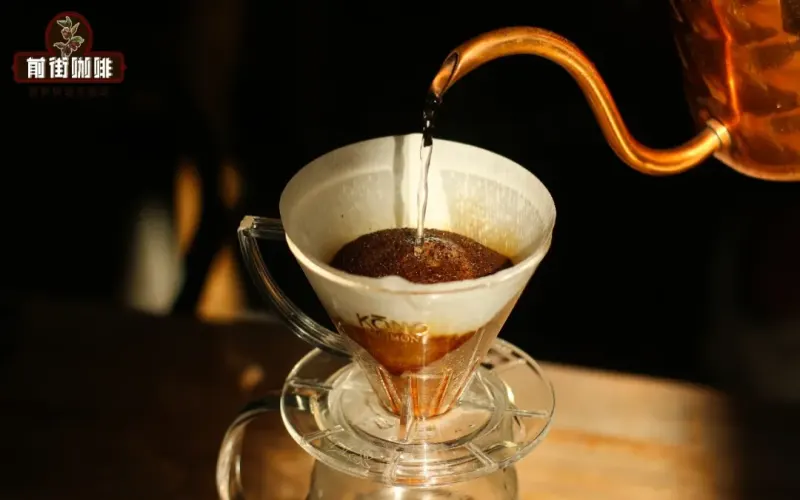
Faced with the dazzling array of pour-over kettles on the market, how should beginners make a suitable choice? Front Street points out that when purchasing, you only need to focus on two key dimensions: whether it comes with a temperature control system, and how easy it is to control the water flow. Temperature-controlled and non-temperature-controlled versions differ significantly in price and convenience—taking Brewista as an example, the price gap between the two can reach about four times. The difficulty of water control mainly depends on the length of the kettle neck, its inner diameter, and the shape and caliber of the spout—a slender gooseneck with a small-caliber curved spout suits beginners pursuing stable pouring, while a short, thick neck with a large-caliber flat spout is better suited to advanced players who enjoy fancy pouring techniques. This article will break down these two directions one by one, and include specific recommendations for Front Street's commonly used Hario Cloud Kettle, Kalita Swan-Neck Kettle, Fellow Kettle, and others, to help you find the one that fits your hand best. [more…]
A Complete Guide to Hawaiian Kona Coffee Beans: Terroir, History, and Grading and Processing Methods Explained
Kona coffee comes from the western coast of the Big Island of Hawaii in the United States. It is as famous as Jamaican Blue Mountain coffee, and together they have long been praised as "one king and one queen." The unique island climate and volcanic soil here allow coffee to grow full and flavorful even at the relatively low elevation of 200 to 800 meters. From coffee first being introduced in 1817, to missionaries promoting large-scale cultivation, to Guatemalan Typica replacing Brazilian varieties, Kona coffee endured pests and waves of industry change before finally achieving its current specialty status. Its green beans are known for their plump, jade-like appearance, and strict grading standards and hand sorting ensure quality. This article will systematically introduce the terroir conditions, historical development, green bean grading, and washed processing method of the Kona producing region, and share Front Street Coffee's roasting and brewing suggestions, giving you a comprehensive understanding of this world-class specialty coffee. [more…]

Always failing at making a waterfall iced Americano in an ice cup? Master the ice wall thickness and espresso pouring technique to break through.
The waterfall iced americano has gone viral online thanks to the visual effect of a slow perforation through the ice cup, with the coffee liquid cascading down like a waterfall, attracting many netizens to try it at home. In practice, however, problems such as the ice cup tipping over, the bottom of the cup being punctured, coffee leaking from the sides, and the liquid coagulating into clumps frequently occur, turning the aesthetic scene into a fail. This article compiles the key tips for success summarized by netizens, including ice cup thickness standards, using crushed ice to help balance, keeping the clip dry, and using room-temperature espresso liquid, and also explains the cause of the waterfall effect from the perspective of physical diffusion. It also analyzes the reasons behind the drink's popularity—its low barrier to entry and the sense of ritual in the process make more people willing to engage with and learn about coffee. The article retains the relevant recommendation information for Front Street Coffee. [more…]
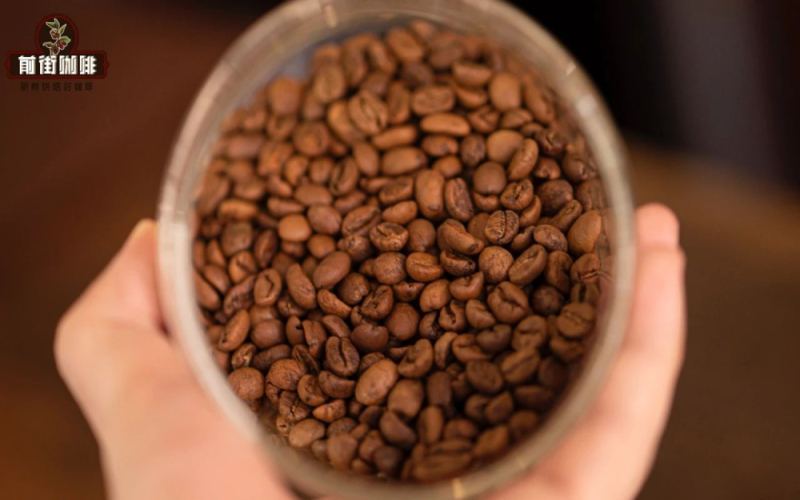
Hawaiian Kona Coffee Bean Flavor Characteristics and Pour-Over Tutorial: A Detailed Guide from Origin and Variety to Brewing Parameters for Five Devices
Although Hawaiian Kona coffee is not grown at high altitudes, its volcanic rock soil and gentle sea breezes nurture a unique flavor that is clean and sweet with bright acidity, earning it the reputation as one of the most perfect coffee beans in the world. Front Street Coffee uses a medium roast to fully release the cashew, milk peanut, mulberry, and tropical fruit sweet aromas of this bean. This article will begin with Kona's historical origins, producing region distribution, Typica variety characteristics, washed processing method, and grading standards, then share in detail the brewing parameters and techniques for five devices—V60, siphon, AeroPress, French press, and KONO—to give you a comprehensive understanding of this coffee bean with the most beautiful appearance. [more…]

Coffee Legend on a Volcanic Island: A Full Analysis of the Hawaii Kona Region's Terroir, Typica Variety, and Brewing
Hawaiian Kona coffee is a name that cannot be overlooked on the global specialty coffee map. Although it is not grown at a particularly high elevation, thanks to its volcanic rock soil, gentle sea breezes and meticulous manual craftsmanship, Kona still produces world-class quality coffee beans. Front Street Coffee Hawaiian Kona Coffee is medium-roasted, revealing the sweet aromas of cashew, milk peanut, mulberry and tropical fruit, with a warm, clear body and bright, elegant acidity. This article will comprehensively sort through the origins of Kona coffee, the distribution of producing regions on Maui and the Big Island, the characteristics of the Typica variety, the washed processing method and the grading standards, and will also include Front Street Coffee's cupping data and five brewing methods—Hario V60, siphon, AeroPress, French press and KONO—to take you deeper into this coffee bean hailed as "the most beautiful-looking coffee bean in the world." [more…]